
The Future of Precision Machining: What 2025 Changed and What Comes Next
For decades, precision machining was mostly hidden behind closed doors. Shops did great work, but clients rarely saw how it was done, who was doing it, or what standards guided the process. In 2025, that model seems to be no longer enough.
Today’s manufacturing partners are being evaluated on more than tolerances and lead times. Clean operations & clean shops, strong communication, documentation, and long-term reliability now play just as critical a role. As the industry moves into 2026, the most successful CNC precision machining companies are the ones evolving with intention, not reacting out of necessity.
What Changed in 2025
One of the biggest shifts in 2025 was transparency. Engineers and procurement teams are no longer satisfied with vague assurances or mystery processes. They want to see how parts are made, how quality is controlled, and how issues are addressed before they become problems.
Modern shops are responding by:
Maintaining clean, tour-ready facilities
Documenting processes clearly and consistently
Investing in inspection and quality control visibility
Prioritizing communication throughout the job lifecycle
At the same time, labor shortages forced many shops to rethink culture. Training, mentorship, and shop pride became competitive advantages, not just internal afterthoughts. ‘Teams’ got stronger and more cohesive. Training became more hands-on.
Technology Is Expected. Trust Is Earned.
Advanced CNC equipment is now the baseline. It’s not what separates a shop anymore. What differentiates high-quality partners is how that technology is supported.
Clients want:
Fast, accurate quoting
Repeatability across production runs
Clear accountability
Confidence that their parts are being treated with care
In 2025, trust became measurable. Shops that could back up their claims with process, cleanliness, and consistency stood out. Those that could not began losing ground.
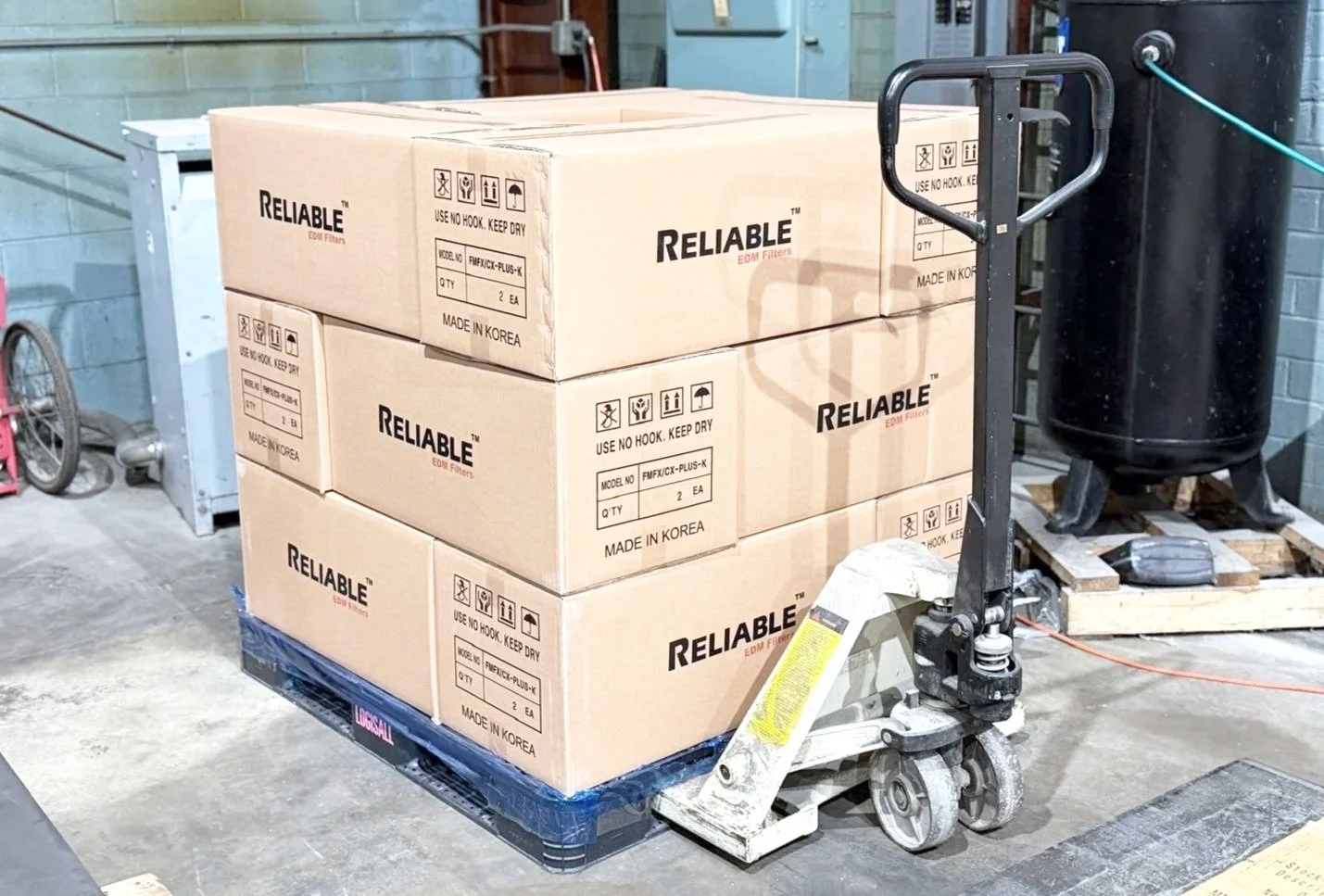
HR Machine in Dayton OH always has stock of consumables so their production stays on time and efficient!
Expanding Into Medical and Prosthetics Manufacturing
As machining capabilities continue to advance, more shops are expanding into regulated, high-precision sectors such as medical components and prosthetics. This work demands more than technical skill. It requires discipline.
Medical and prosthetic manufacturing brings:
Tighter tolerances
Higher documentation standards
Increased accountability
Long-term consistency over one-off speed
For companies preparing to support this sector, the work starts long before the first medical job arrives. Processes must already be in place. Quality systems must already be proven. Teams must already understand that precision in this area affects real lives.
This shift reflects where the industry is heading, not a short-term trend.
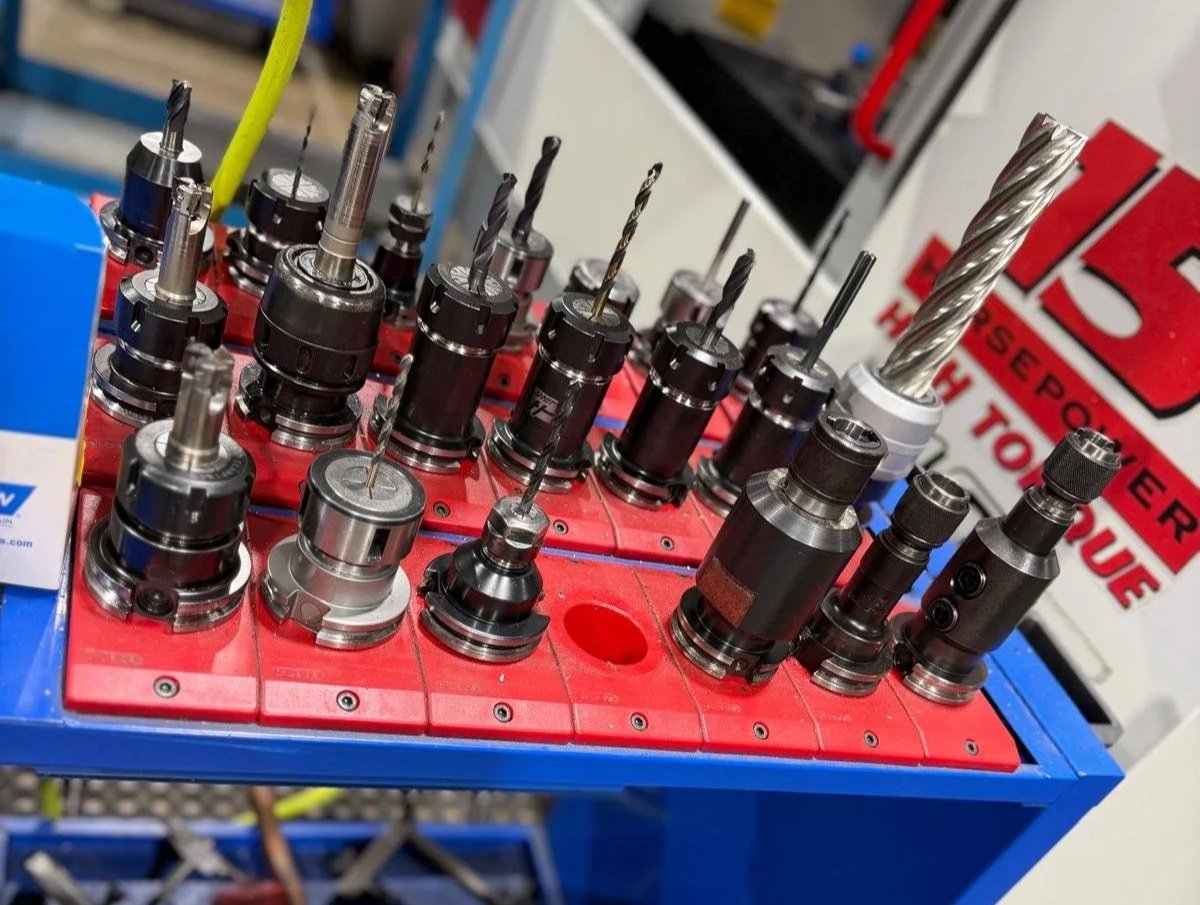
custom and creative machining starts with the tools & accessories… at HR Machine, we stay stocked and ready for anything
Looking Ahead to 2026
As we move into 2026, the CNC precision machining industry will continue to separate into two paths.
One path remains transactional, price-driven, and reactive.
The other path is built on:
Precision backed by process
Clean, professional operations
Strong communication
Long-term manufacturing partnerships
The shops that thrive will be the ones investing now in how they work, how they communicate, and how they present themselves as partners rather than vendors.
Modern machining is no longer just about what happens inside the machine. It’s about everything surrounding it. The process, the passion… the precision.
